
Concrete Services Coverage in Canberra Central
Our concrete services cover all Canberra Central suburbs within a 15-minute response radius from our base near Fyshwick. Service areas include:
Inner North: Acton, Ainslie, Braddon, Campbell, Dickson, Downer, Hackett, Lyneham, O’Connor, Reid, Turner, Watson
Inner South: Barton, Capital Hill, Deakin, Forrest, Griffith, Kingston, Narrabundah, Red Hill, Yarralumla
Central Business District: Parkes, Russell, and immediate CBD surrounds
Service Boundaries:
• North: Extending to Dickson and Watson
• South: Including Red Hill and Narrabundah
• East: Covering Campbell and Fyshwick
• West: Encompassing Acton and Yarralumla
Landmarks We Service Near: Parliament House, Lake Burley Griffin, National Gallery of Australia, Australian National University, Questacon, Old Parliament House, National War Memorial, and surrounding government precincts.
Availability: Monday-Saturday, 7:00 AM – 5:00 PM. Emergency concrete repairs available for government and essential services.

Concrete Driveways Engineered for Canberra Central's Established Properties
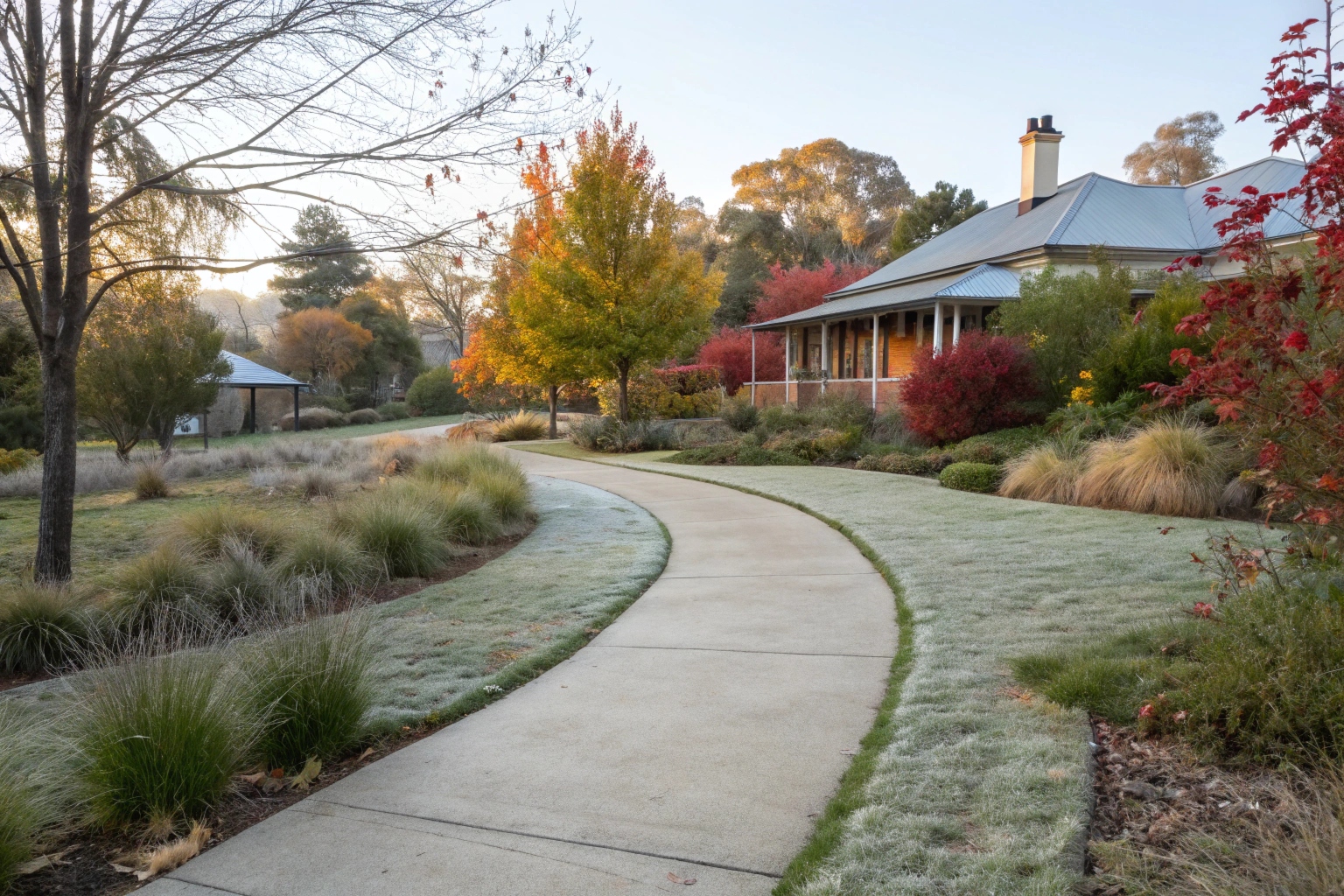
Concrete driveways in Canberra Central suburbs face accelerated deterioration due to the area’s unique microclimate. Properties near Lake Burley Griffin experience higher moisture retention in soils, while established suburbs like Deakin, Forrest, and Red Hill sit on reactive clay that expands and contracts with seasonal moisture changes. The frost-thaw cycles common in inner Canberra—particularly in low-lying areas near the lake—cause surface spalling and structural cracking in incorrectly specified concrete.
Driveway Solutions for Inner-City Properties
Frost-Resistant Specifications
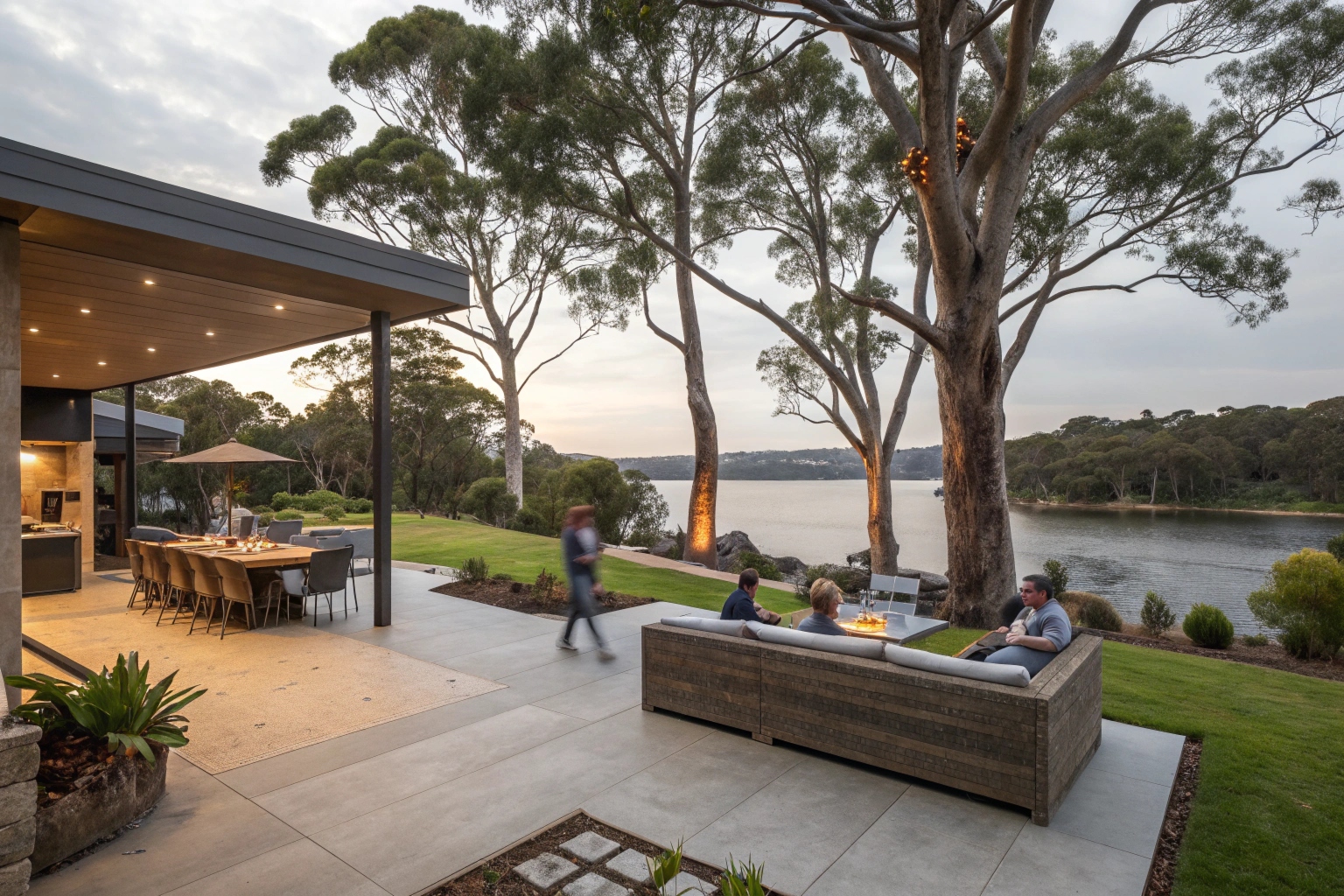
Concrete Patios and Alfresco Areas for Canberra Central Entertaining
Canberra Central homeowners prioritise outdoor entertainment spaces that function across all four seasons. Properties in Deakin, Forrest, and Red Hill feature established gardens where concrete patios integrate with mature landscaping, while newer townhouses in Braddon and Turner require space-efficient alfresco designs that maximise limited yard areas. The public service workforce concentrated in these suburbs values outdoor spaces for weekend entertaining, making properly engineered concrete patios a functional investment rather than purely aesthetic upgrade.
Polished and Decorative Concrete Options
Polished concrete suits the contemporary aesthetic common in renovated homes throughout Campbell, Ainslie, and O’Connor. The thermal mass properties of polished concrete make it particularly effective in Canberra Central’s climate—absorbing heat during winter days and moderating temperature extremes during summer evenings. For properties near the Parliamentary Triangle, exposed aggregate finishes incorporate local stone aggregates that complement the area’s established landscape architecture.
Covered Entertainment Area Integration
Concrete patios extending from covered alfresco areas require specific fall rates to manage water runoff, particularly in low-lying suburbs near Lake Burley Griffin. Properties in Yarralumla and Barton face drainage challenges due to established tree root systems and clay soil compaction. Our installations incorporate proper drainage integration, connecting concrete surfaces to existing stormwater systems while maintaining ACT planning compliance for impervious surface ratios in established residential zones.

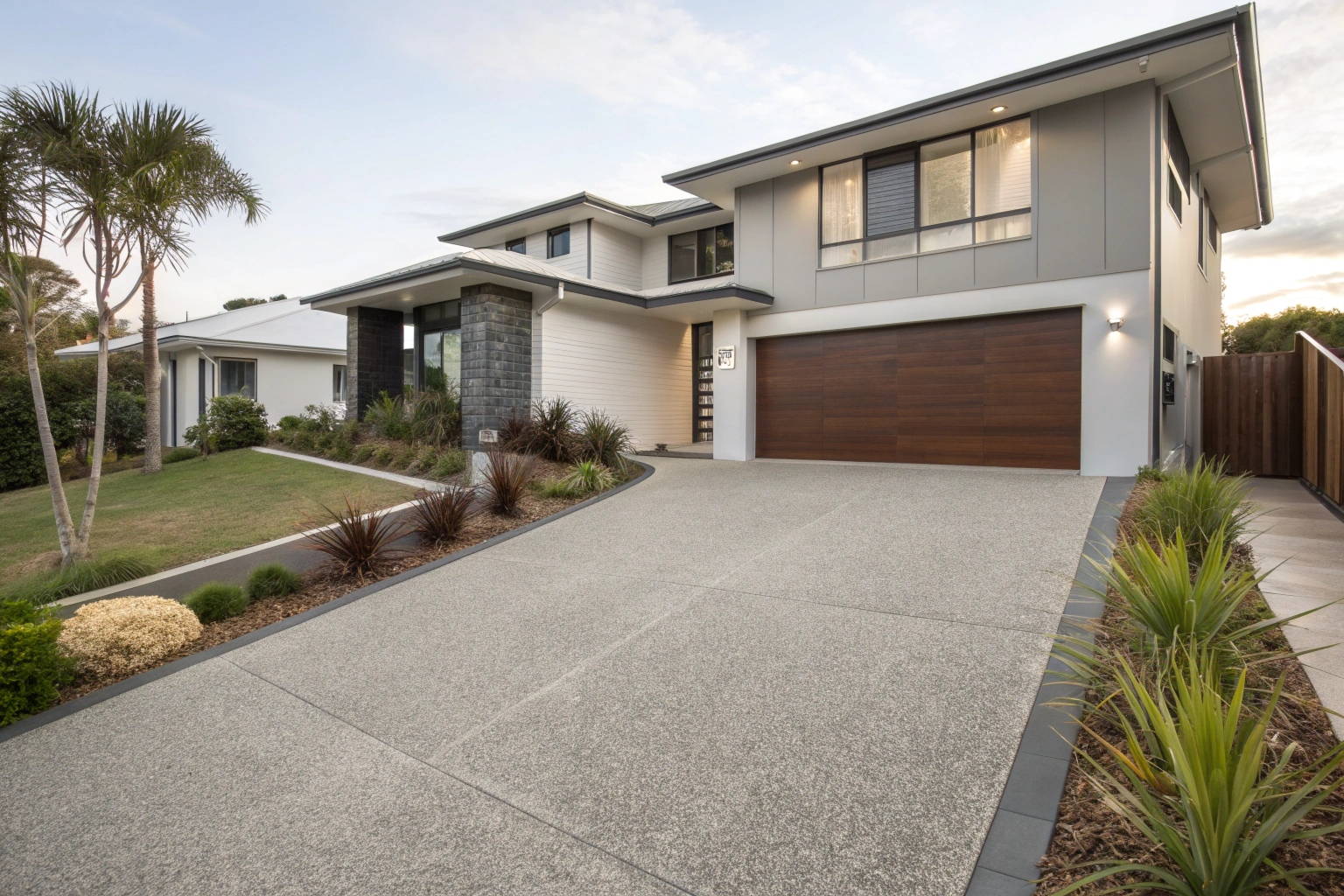
Local Expertise in Canberra Central's Concrete Requirements
Canberra Central’s concrete challenges require specialised knowledge that extends beyond standard residential construction. Understanding the difference between soil conditions in low-lying Acton versus elevated Red Hill, or knowing which concrete specifications suit north-facing driveways in Campbell versus south-facing approaches in Yarralumla, comes from working exclusively within these established suburbs.
Climate-Specific Material Selection
Our concrete mixes account for Canberra Central’s microclimate variations. Properties near Lake Burley Griffin require different moisture management approaches than homes in elevated suburbs. We specify air-entrained concrete for frost resistance, adjust water-cement ratios based on seasonal humidity patterns, and incorporate reinforcement mesh calibrated to each suburb’s soil classification. These specifications prevent the premature cracking and surface deterioration common in generic concrete installations.
ACT Compliance and Heritage Considerations
Working in Canberra Central means navigating Territory Plan requirements, heritage overlays in established suburbs, and strata regulations for townhouse developments. Properties in the Parliamentary Triangle face additional restrictions. Our familiarity with ACT planning processes ensures concrete work complies with local regulations, maintains property value, and avoids complications during future property transactions. For heritage-listed streets in Griffith, Forrest, and Reid, we coordinate with ACT Heritage to ensure concrete finishes complement existing streetscape character.
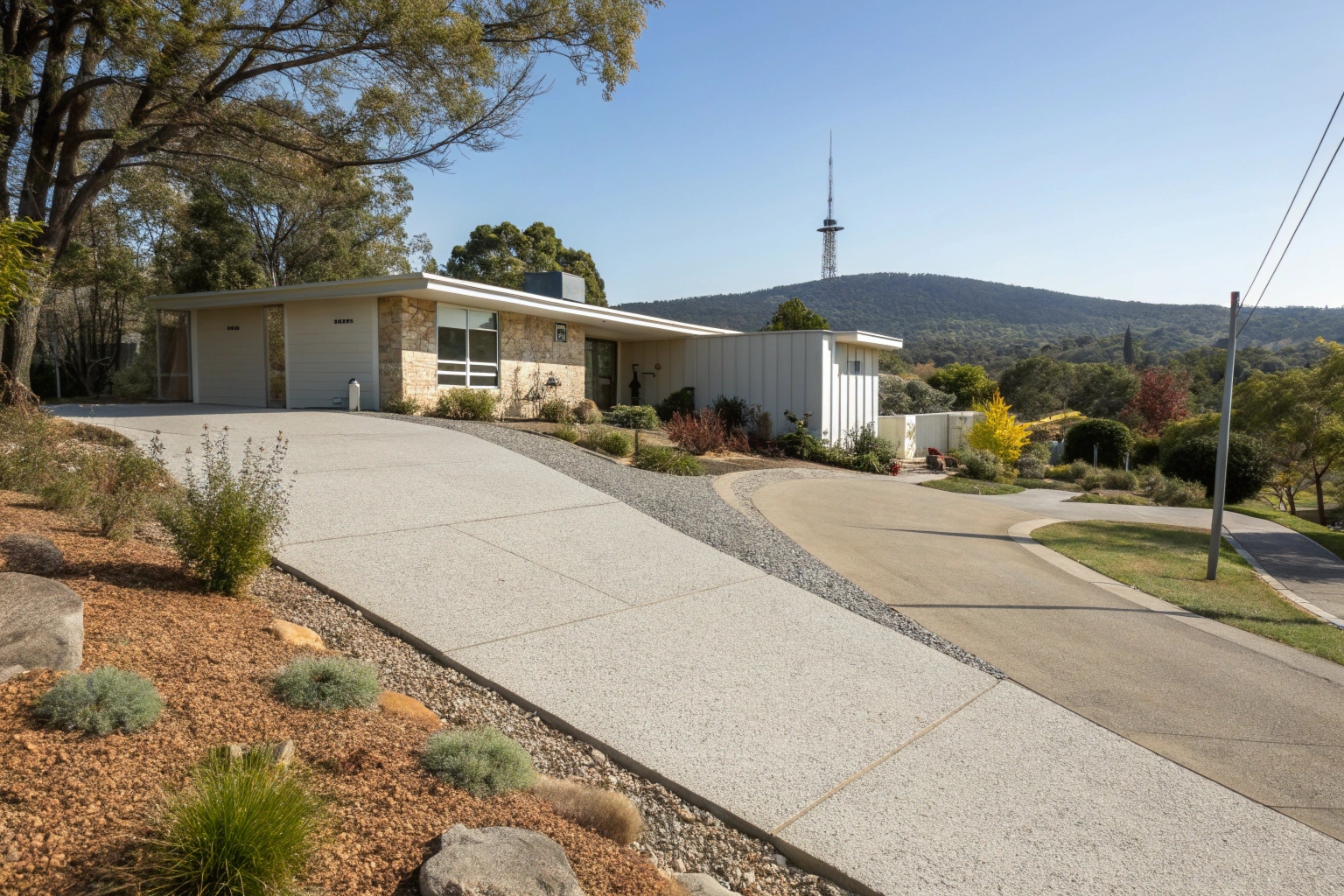
Understanding Canberra Central's Concrete Challenges
Concrete performance in Canberra Central differs significantly from outer suburbs due to specific environmental and regulatory factors. Properties near Lake Burley Griffin experience microclimatic conditions where morning fog increases surface moisture, accelerating frost damage during winter months. Established suburbs feature mature tree root systems that create subsurface pressure on concrete installations, while heritage overlays restrict certain finishing options and require additional planning approvals.
Frost Penetration Depth in Inner Canberra
Canberra Central’s frost penetration reaches deeper than outer suburbs due to urban heat island effects that create rapid temperature transitions. Properties in shaded streets throughout Ainslie, Downer, and Watson experience prolonged frost exposure where morning sun takes hours to reach ground level. This extended freezing period requires concrete specifications with higher air entrainment percentages and deeper reinforcement placement than standard residential applications. Driveways and pathways in these locations benefit from thicker edge profiles that resist frost heave at concrete boundaries.
ACT Territory Plan Implications
Block coverage ratios in established Canberra Central suburbs limit impervious surface areas, affecting concrete installation scope. Properties in RZ1 and RZ2 zones face stricter controls than newer suburbs, requiring drainage solutions that manage stormwater without exceeding permitted coverage thresholds. Townhouse developments in Braddon, Turner, and Kingston operate under Unit Title regulations where concrete work affecting common property requires owners corporation approval. Understanding these regulatory frameworks prevents costly rectification work and ensures concrete installations maintain compliance throughout property ownership.
Concrete Installation Process for Canberra Central Properties
Concrete projects in established inner-city suburbs require careful coordination to minimise disruption to neighbouring properties and accommodate limited access conditions common in areas like Braddon, Turner, and Ainslie. Understanding the installation timeline helps property owners plan around Canberra’s weather patterns and avoid scheduling concrete pours during extreme temperature periods.
Site Assessment and Soil Testing
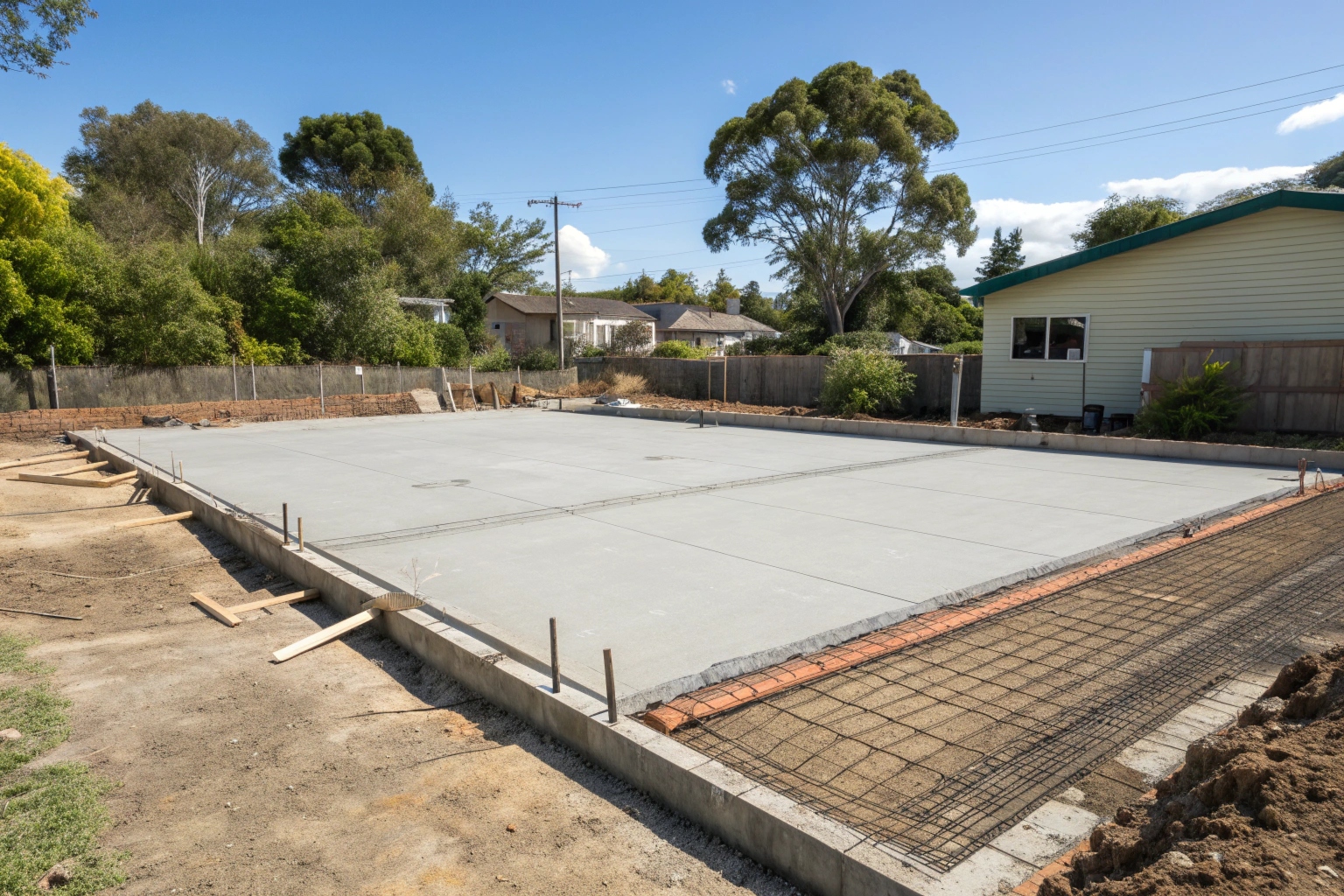
Properties in Canberra Central require soil classification testing before concrete installation. Reactive clay soils in Griffith, Forrest, and Red Hill need different base preparation than properties in elevated areas. Site assessments identify existing drainage patterns, tree root locations, and underground services that affect concrete placement. This initial evaluation determines reinforcement specifications and base course requirements specific to each property’s conditions.
Weather-Dependent Scheduling
Concrete installations avoid periods when overnight temperatures drop below 2°C or daytime temperatures exceed 35°C. Canberra Central’s winter months from June through August present scheduling challenges where morning frost delays starting times. Summer pours require early morning scheduling to avoid afternoon heat that accelerates curing rates. Properties in shaded locations throughout Ainslie, Campbell, and Downer face extended drying times during winter months, affecting project timelines.
Access and Logistics in Inner Suburbs
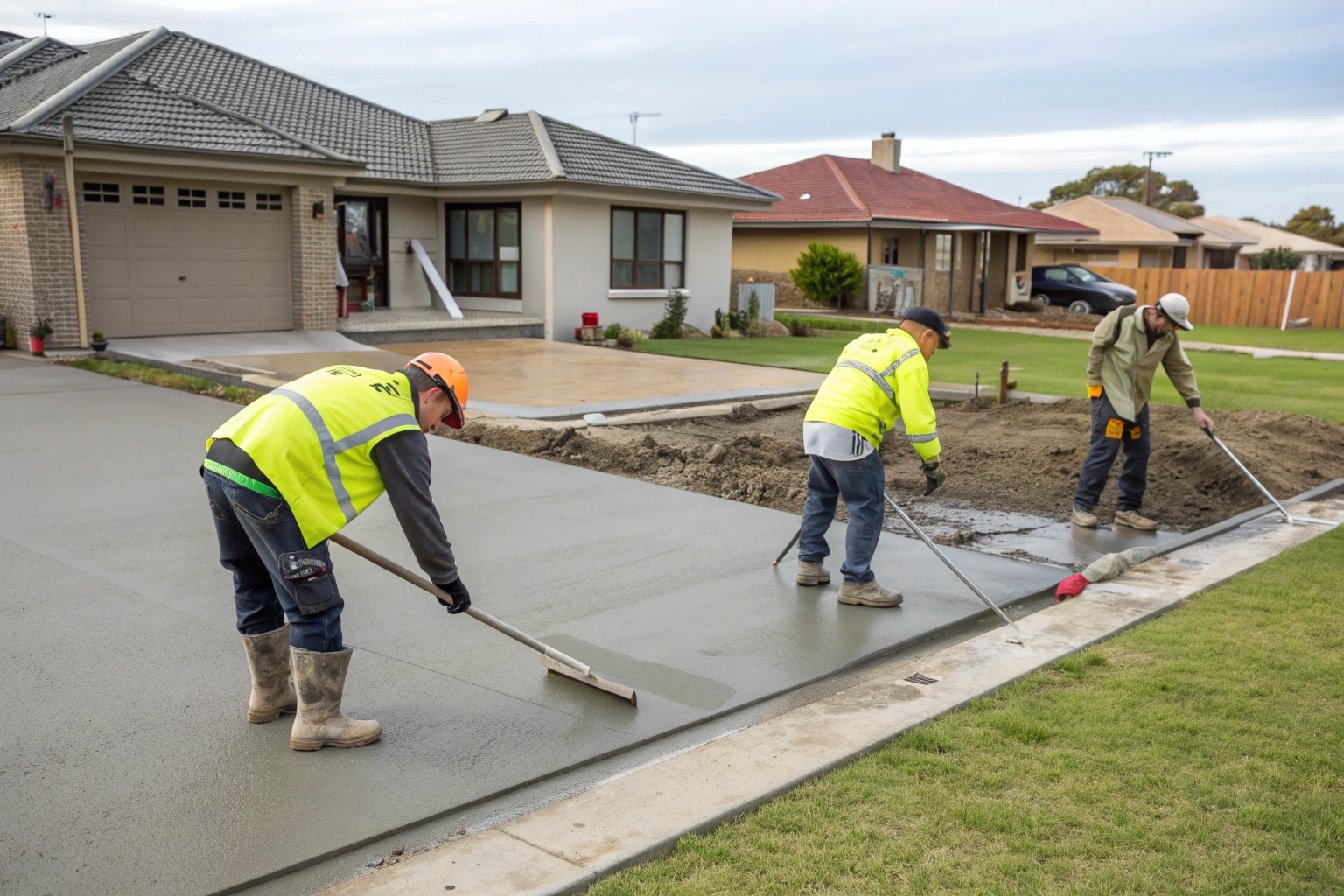
Narrow driveways, established gardens, and proximity to neighbouring properties require specialised equipment access planning. Concrete pump trucks access most Canberra Central properties, though some heritage-listed streets have restrictions on heavy vehicle movements. Scheduling coordinates with street parking availability and minimises disruption during typical work hours.
FAQs About Concrete Work in Canberra Central
Concrete engineered for Canberra Central’s climate includes air entrainment additives that create microscopic air pockets, allowing ice crystals to expand without causing surface spalling or structural cracking. Properties in low-lying areas near Lake Burley Griffin require higher air entrainment percentages due to prolonged frost exposure. Properly specified concrete withstands repeated freeze-thaw cycles throughout winter months without deterioration.
Reactive clay soils throughout Griffith, Forrest, Deakin, and Red Hill expand and contract with seasonal moisture changes, creating subsurface movement that stresses concrete installations. Properties lacking proper soil preparation, adequate reinforcement mesh, or control joints develop cracks within 2-3 years. Established tree root systems in inner-city suburbs create additional pressure points that accelerate cracking in undersized concrete installations.
Driveways, patios, and standard residential slabs typically fall under exempt development provisions. Granny flats, extensions increasing impervious surface coverage, or work in heritage-listed streets require Development Applications. Properties in the Parliamentary Triangle face additional restrictions. Territory Plan compliance varies by suburb and block classification.
Initial curing requires 7 days minimum, with full strength developing over 28 days. Canberra Central’s temperature variations affect curing rates—winter pours require extended protection periods, while summer installations need consistent moisture maintenance to prevent rapid surface drying. Concrete poured during frost periods or extreme heat requires specialised curing protocols to achieve specified strength ratings.
Starting Your Concrete Project in Canberra Central
Concrete projects in established Canberra Central suburbs benefit from early planning that accounts for seasonal weather patterns, ACT planning requirements, and property-specific soil conditions. Properties requiring Development Applications need 4-6 weeks for approval processing, while exempt development projects can proceed once scheduling aligns with suitable weather conditions.
Initial Consultation and Property Assessment
Site assessments identify concrete specifications suited to your property’s location, soil classification, and existing drainage patterns. Properties in different Canberra Central suburbs require varying approaches—reactive clay management in Griffith differs from moisture control needs near Lake Burley Griffin in Acton. This assessment determines reinforcement requirements, base preparation depth, and concrete mix specifications that address your property’s specific conditions.
Scheduling Around Canberra’s Climate
Concrete installations scheduled between September and November or March and May avoid temperature extremes that complicate curing processes. Winter projects require additional planning for frost protection, while summer pours need early morning scheduling to manage heat-related curing challenges.
Contact our team to arrange a site assessment for your Canberra Central property. We provide detailed specifications outlining concrete mix designs, reinforcement schedules, and installation timelines specific to your suburb’s conditions. Property assessments include soil classification review, drainage evaluation, and ACT planning compliance verification to ensure concrete work meets current building standards.
