
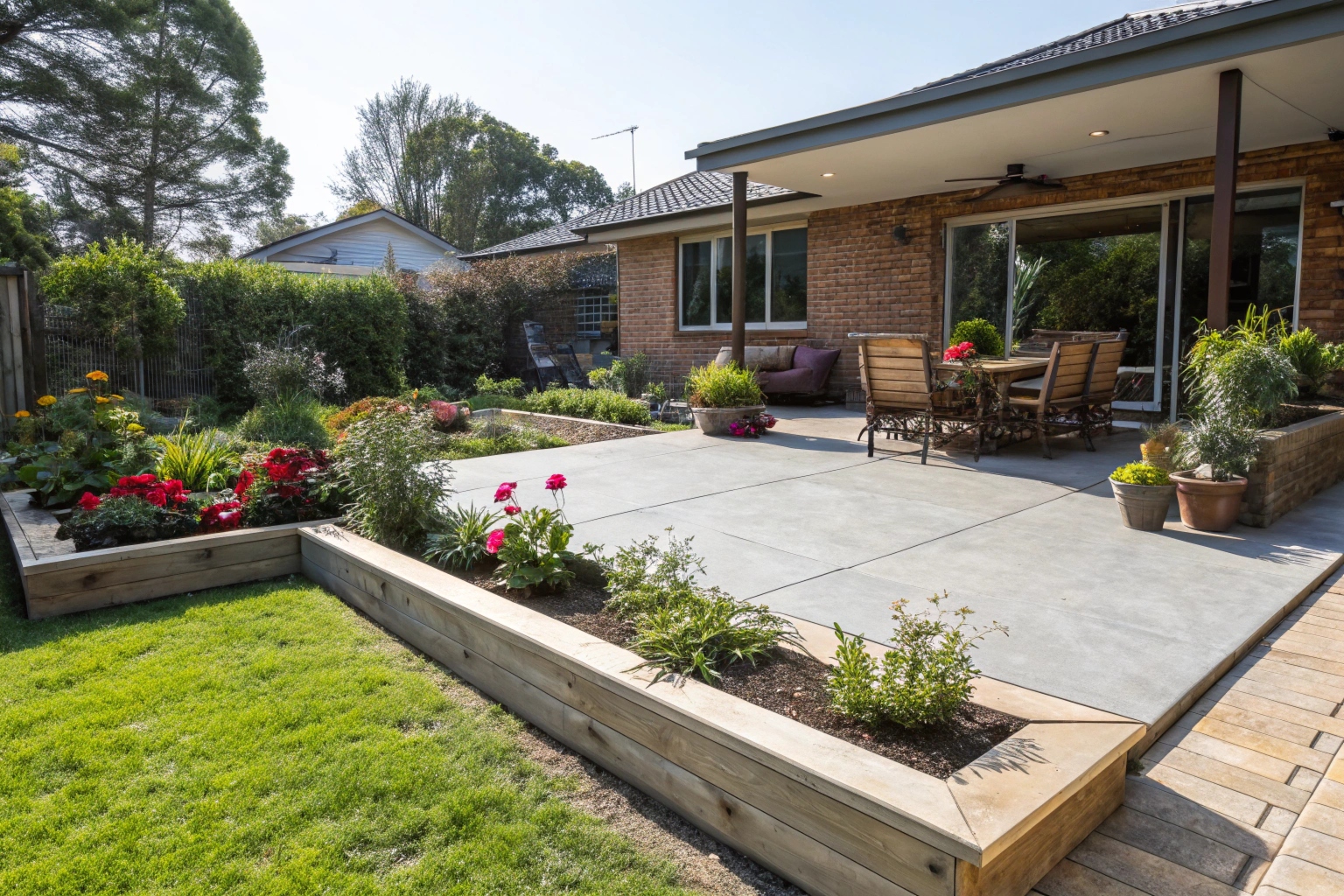
Why Canberra's Climate Demands Specialised Concrete Slab Solutions
Canberra’s weather puts concrete through hell. We’re talking -7°C winter mornings with heavy frost, then 40°C summer days just months later—that’s a 47-degree temperature swing your concrete slab has to handle without cracking or failing. Most standard residential concrete simply isn’t engineered for these extremes.
The ACT’s reactive clay soils create another massive challenge that catches out contractors who don’t understand local ground conditions. These soils expand significantly when wet during our winter months, then contract dramatically during dry summer periods. A concrete slab poured without proper consideration for this movement will crack within the first year—we’ve seen it happen across newer suburbs in Gungahlin and Molonglo Valley where soil reactivity is particularly high.
Frost-thaw cycles destroy poorly constructed slabs faster than anything else in Canberra. When moisture gets trapped in concrete and freezes overnight, it expands and creates internal pressure that causes surface spalling and structural cracks. By the time you notice the damage, you’re looking at expensive repairs or complete replacement.
Generic concrete slab construction approaches that work fine in Sydney or Melbourne will fail here because they don’t account for our unique combination of extreme temperature variations, reactive soils, and aggressive frost conditions. Our concrete slabs are engineered specifically for Canberra—with appropriate reinforcement density, concrete mix specifications that resist freeze-thaw damage, proper vapour barriers, and thickness specifications that accommodate ground movement without compromising structural integrity.

Residential Concrete Slab Construction Across Canberra
House Slabs for New Builds & Extensions
Our house slab service provides the foundation for Canberra homes that need to withstand decades of harsh weather. We engineer each slab with minimum 100mm thickness for the main floor area, plus 300mm deep thickened edges around the perimeter and under load-bearing walls. For properties on reactive clay soils—common throughout Tuggeranno, Belconnen, and newer estates—we often recommend waffle pod slab systems that accommodate significant ground movement without transferring stress to your structure.
Garage & Shed Floor Slabs
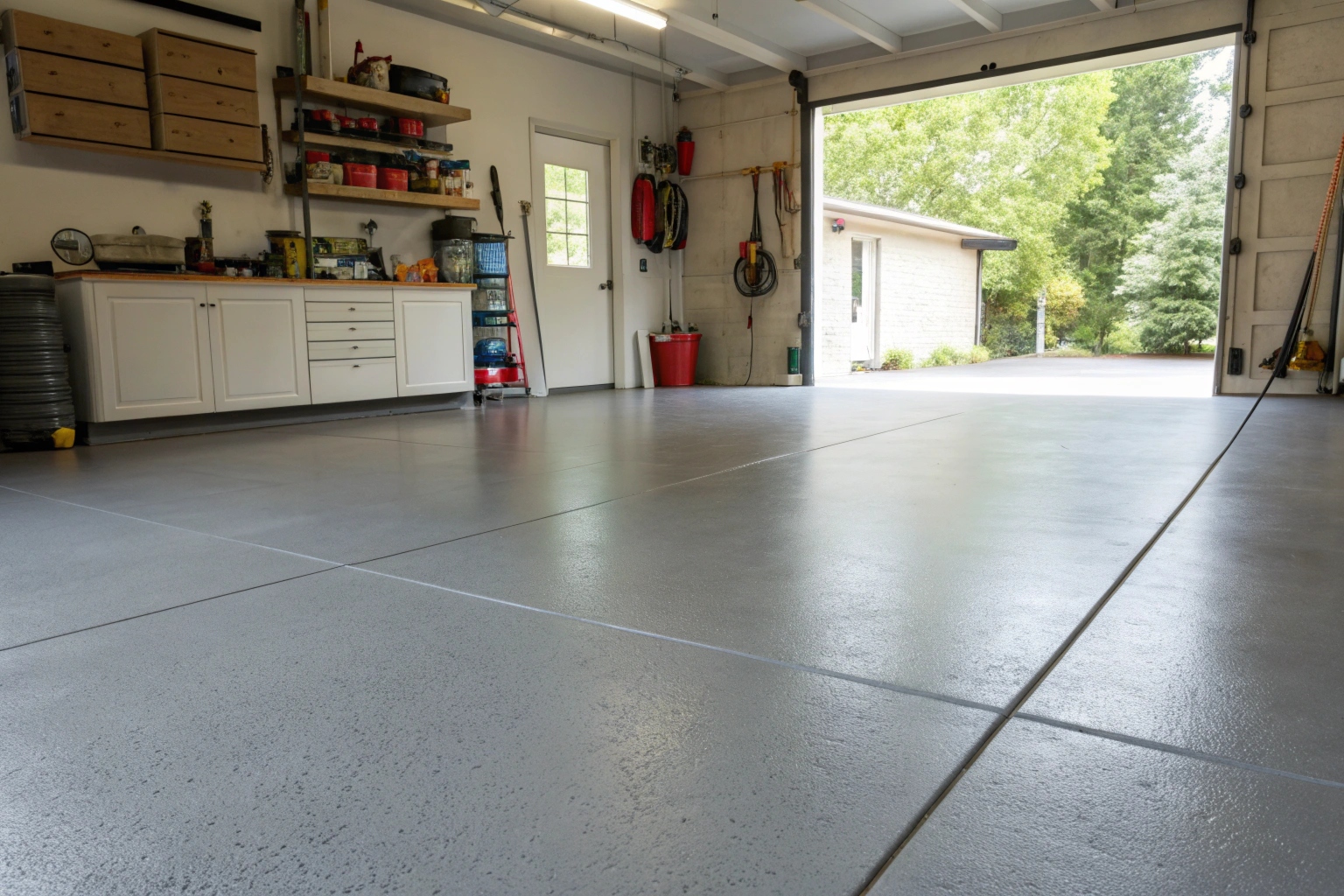
Garage and shed slabs need proper load-bearing capacity and drainage design to handle vehicle weight and prevent water pooling. We pour these slabs at 150mm thickness minimum with SL72 reinforcement mesh, incorporating slight falls toward drainage points. Our garage slabs handle everything from standard passenger vehicles to heavy trade equipment without cracking or settling.
Patio & Outdoor Living Slabs
Outdoor entertainment areas and alfresco spaces get heavy use in Canberra’s four-season climate. We create patio slabs with 100-125mm thickness, proper drainage design, and finish options ranging from standard broom finish to polished or exposed aggregate surfaces. Each patio slab integrates seamlessly with existing structures while providing the stable, level surface your outdoor furniture and entertaining setup requires.
Granny Flat & Studio Slabs
With granny flats becoming increasingly popular across the ACT for aging parents and adult children, our specialised dwelling slabs meet all compliance requirements for habitable structures. We handle the complete engineering process, council approvals, and construction to building code standards—giving you a foundation that supports plumbing, electrical, and structural loads exactly as required.
Professional Concrete Slab Installation for Canberra Homes

Concrete Slab Thickness & Specifications for Canberra
Standard residential concrete slabs in Canberra require 100mm minimum thickness for patios, outdoor areas, and light-duty applications. We increase this to 125mm for properties on reactive clay soils or in frost-prone areas like Tuggeranno and the inner south suburbs where ground movement is more pronounced.
House slab specifications start at 100mm for the main floor area, with 300mm deep thickened edges around the perimeter and beneath all load-bearing walls. These edge beams anchor your slab and prevent differential movement that causes cracks at wall junctions. For two-storey homes or properties with documented high soil reactivity, we engineer thicker edge beams up to 400mm deep with additional reinforcement.
Driveway slabs need 150mm thickness minimum to handle vehicle loads without cracking—we recommend 170-200mm for properties that regularly park larger vehicles or have steep approaches where braking forces create extra stress. Heavy-duty reinforcement using SL82 or SL92 mesh provides the structural support these high-load areas require.
Waffle pod slabs offer superior performance on Canberra’s reactive clay soils compared to conventional flat slabs. The pod system creates void spaces that allow ground movement without transferring stress to your structure, with typical depths of 385-400mm at the pods and 100mm between them. While waffle pod construction costs 15-20% more than conventional slabs, the long-term performance and reduced cracking risk make them worthwhile for challenging sites.
Our frost-resistant concrete mixes include air-entraining additives that create microscopic air pockets throughout the concrete, allowing frozen moisture to expand without causing internal damage during Canberra’s harsh winter conditions.
Concrete Slab Canberra – Frequently Asked Questions
Concrete slab costs range from $110-$170 per square metre for standard residential slabs, depending on site conditions, reinforcement requirements, and finish type. A typical 6×4 metre shed slab (24m²) runs $2,640-$4,080, while larger house slabs for extensions or granny flats cost $5,000-$15,000 depending on size and specifications. Properties with difficult access or highly reactive soils increase costs due to additional engineering and preparation requirements.
Most residential concrete slabs are completed in 3-5 days from excavation to final finishing. Site preparation and formwork take 1-2 days, the concrete pour happens in a single day, then we allow 2-3 days for initial curing before removing forms. Your slab reaches usable strength after 7 days but continues gaining strength for 28 days—we recommend waiting the full cure period before building on house slabs or parking heavy vehicles on driveways.
Granny flats, home extensions, and new dwelling slabs require Development Approval from your local ACT authority. Simple shed slabs, patio replacements, and driveway repairs under 10m² typically don’t need permits, but checking with us before starting prevents compliance issues down the track.
Properly engineered concrete slabs with appropriate reinforcement and thickness shouldn’t develop structural cracks in Canberra’s climate. Minor surface crazing can occur during curing but doesn’t affect structural integrity—significant cracking indicates inadequate design or poor construction quality.
Get Your Concrete Slab Quote Today
Ready to discuss your concrete slab project with Canberra specialists who actually understand local conditions? We provide free on-site assessments and detailed quotes for residential and commercial properties throughout the ACT region.
Our team serves all Canberra suburbs including Belconnen, Tuggeranno, Gungahlin, Woden Valley, Weston Creek, and surrounding areas. Whether you’re planning a house slab for a new build, need a garage floor, want to extend your outdoor living space, or require specialised industrial-grade slabs, we deliver engineered solutions built for Canberra’s harsh climate.
Contact Top Notch Canberra Concrete for your no-obligation consultation. We’ll assess your site, explain exactly what your property needs, and provide transparent pricing with no hidden costs. Every quote includes detailed specifications, timeline estimates, and answers to your specific questions about soil conditions, reinforcement requirements, and finish options.
Call us today to get your concrete slab project started with local experts who’ve been pouring quality slabs across the ACT for years.
